Top Strategies for Effective Supply Chain Compliance

In today's global market, effective supply chain compliance is crucial for businesses aiming to maintain their competitive edge. As regulations become increasingly complex, companies must develop robust strategies to ensure compliance across all facets of their supply chain. Here, we explore some of the top strategies for achieving effective supply chain compliance.

Understanding Regulatory Requirements
The first step towards effective compliance is a thorough understanding of relevant regulations. Organizations must keep abreast of changing laws and standards that impact their industry. This involves regular monitoring and updates to ensure that all aspects of the supply chain are compliant.
Key Regulations to Consider
Some of the key regulations that businesses should consider include environmental laws, trade agreements, and labor standards. Companies must understand how these regulations affect their operations and ensure that they meet all necessary requirements.
Implementing Robust Compliance Programs
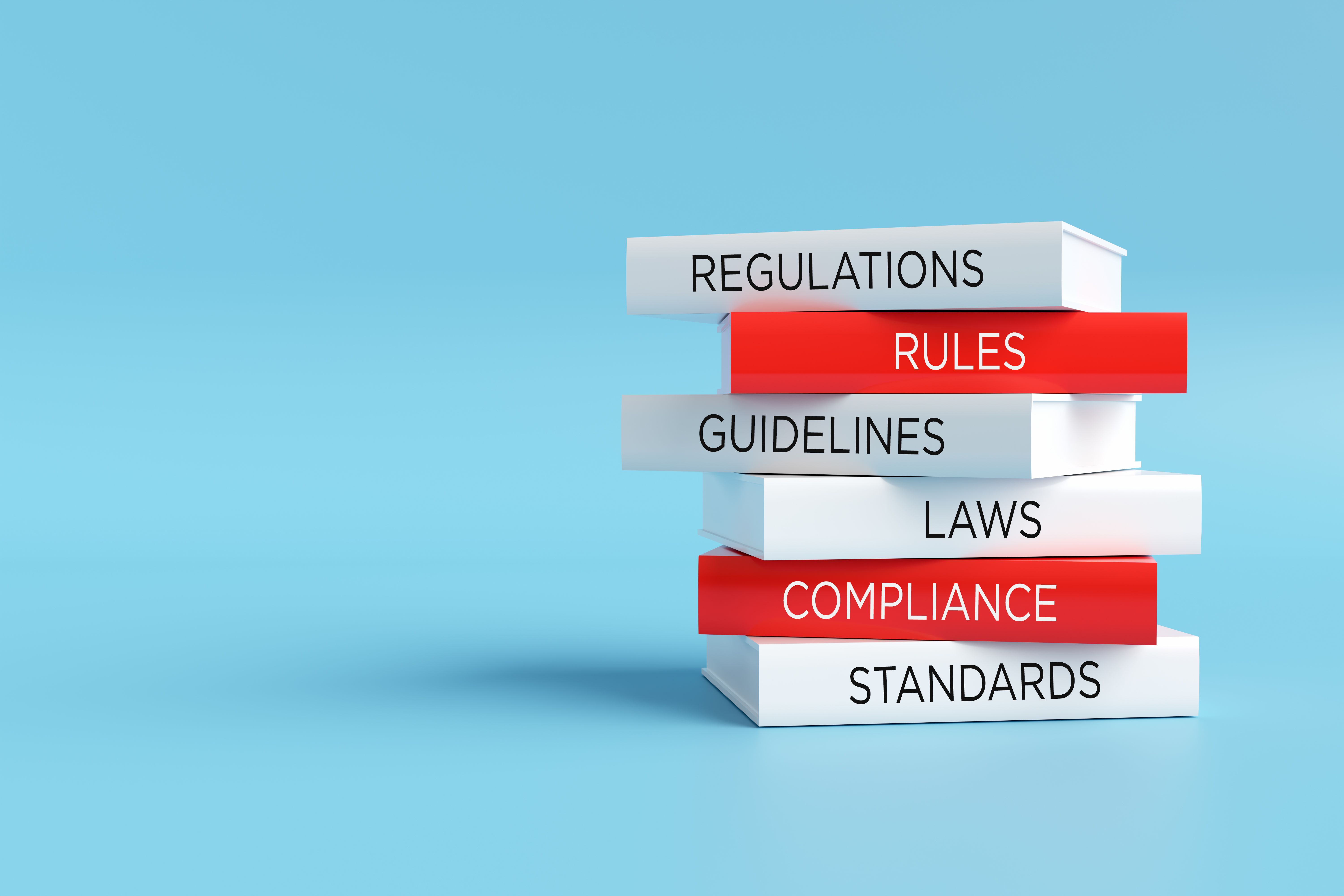
A comprehensive compliance program is essential for managing risks and ensuring adherence to regulations. This involves establishing clear policies and procedures that outline compliance expectations and responsibilities within the organization.
Training and Education
Training is a critical component of any compliance program. Employees at all levels should be educated about compliance requirements and the role they play in maintaining compliance. Regular training sessions and updates help reinforce the importance of compliance and keep everyone informed of any changes.
- Develop comprehensive policies and procedures.
- Conduct regular compliance audits.
- Provide ongoing training and education.

Leveraging Technology for Compliance
Technology can play a significant role in enhancing supply chain compliance. By implementing advanced software solutions, companies can streamline compliance processes and improve accuracy.
Benefits of Compliance Software
- Automated monitoring and reporting.
- Improved data accuracy and accessibility.
- Enhanced communication across the supply chain.
These tools can help identify non-compliance issues early, allowing companies to address them proactively.

Continuous Improvement and Adaptation
Finally, effective supply chain compliance requires continuous improvement and adaptation. As regulations evolve, companies must be flexible and willing to adjust their strategies accordingly. This involves regularly reviewing compliance programs and making necessary changes to address new challenges and opportunities.
By adopting these strategies, businesses can not only ensure compliance but also enhance their overall supply chain efficiency, ultimately leading to increased trust and stronger relationships with partners and customers.