Supply Chain Compliance: Keeping Your Business Ahead of Regulations

Understanding Supply Chain Compliance
In today's global market, ensuring supply chain compliance is more crucial than ever. As regulations continue to evolve, businesses must stay informed and adaptable. Compliance not only helps in avoiding legal issues but also enhances a company's reputation and operational efficiency.
Effective supply chain compliance involves adhering to a set of standards and regulations that govern every aspect of the supply chain, from sourcing materials to delivering the final product. These regulations can vary by region and industry, making it vital for businesses to stay agile and informed.

Key Areas of Compliance
There are several critical areas where businesses need to focus their compliance efforts:
- Environmental Regulations: Ensuring that sourcing and manufacturing processes are environmentally friendly and sustainable.
- Labor Laws: Protecting the rights and welfare of workers throughout the supply chain, adhering to fair labor standards.
- Trade Compliance: Following international trade laws, including tariffs, import/export restrictions, and customs regulations.
By addressing these areas, companies can mitigate risks, avoid penalties, and build trust with consumers and partners.
Benefits of Staying Compliant
Keeping your supply chain compliant offers several benefits:
- Risk Mitigation: Proactively addressing compliance reduces the risk of legal actions and financial penalties.
- Reputation Management: A compliant supply chain enhances brand reputation, fostering trust with customers and partners.
- Operational Efficiency: Streamlining compliance processes can lead to more efficient operations and cost savings.
Strategies for Ensuring Compliance
Implementing robust compliance strategies is essential for businesses to stay ahead of regulations. Here are some effective approaches:
Regular Audits and Assessments
Conducting regular audits and assessments helps identify potential compliance gaps. These evaluations should be thorough and cover every aspect of the supply chain.
Training and Education
Providing ongoing training and education for employees and partners ensures that everyone involved is aware of the latest regulations and best practices. This shared knowledge base fosters a culture of compliance.

Leveraging Technology
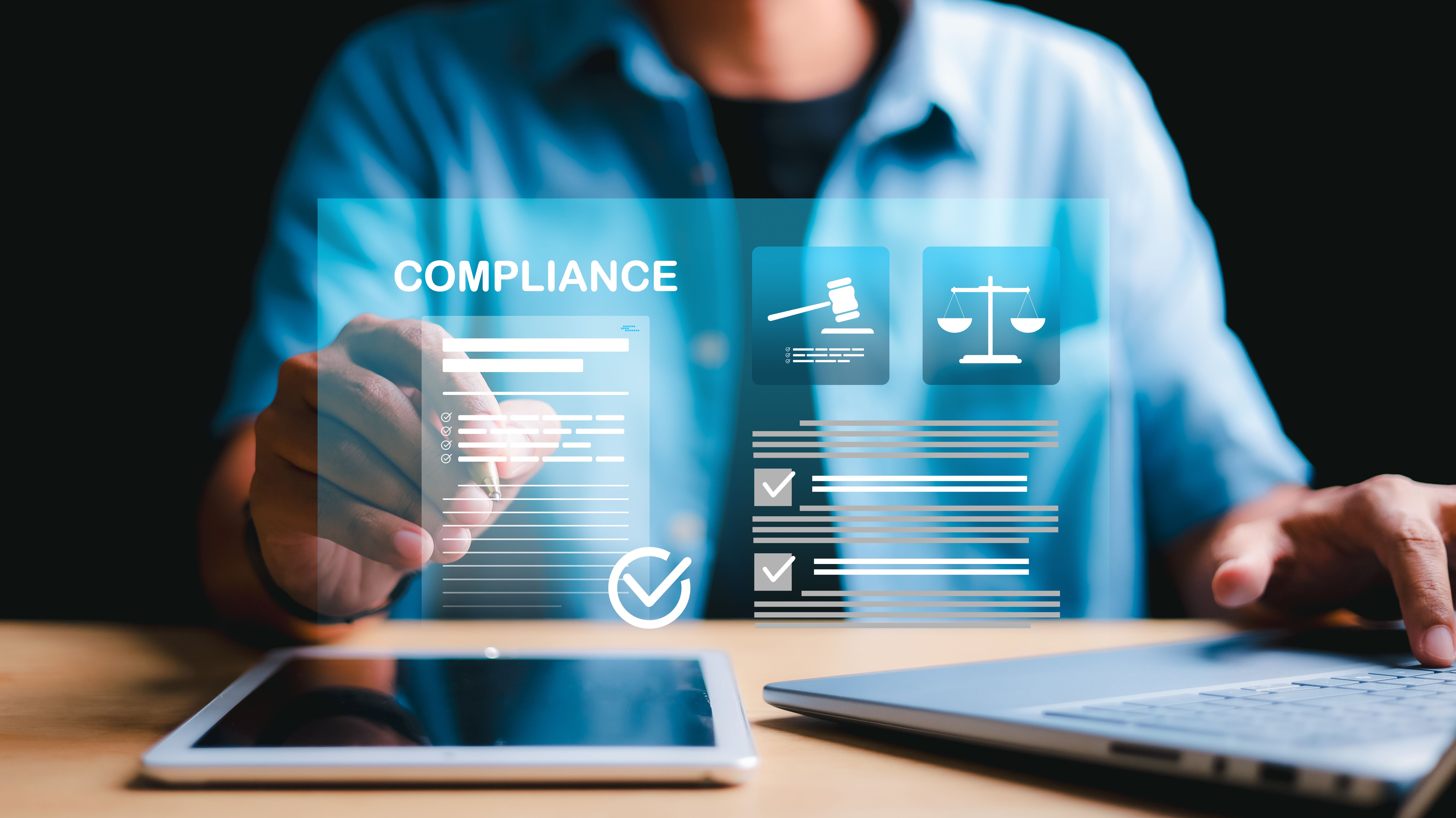
Technology plays a significant role in maintaining supply chain compliance. Advanced software solutions can automate compliance checks, monitor supply chain activities in real-time, and generate reports for regulatory bodies.
Furthermore, technology can facilitate better communication and transparency among all stakeholders, making compliance management more efficient and less prone to human error.
Conclusion
Staying ahead of supply chain compliance is not just about meeting regulations—it's about building a resilient and ethical business. By focusing on key compliance areas, leveraging technology, and fostering a culture of continuous improvement, businesses can navigate the complexities of modern supply chains effectively.
In today's competitive market, being proactive about compliance is essential for long-term success and sustainability.