Common Misconceptions About Regulatory Compliance and How to Avoid Them

Understanding Regulatory Compliance
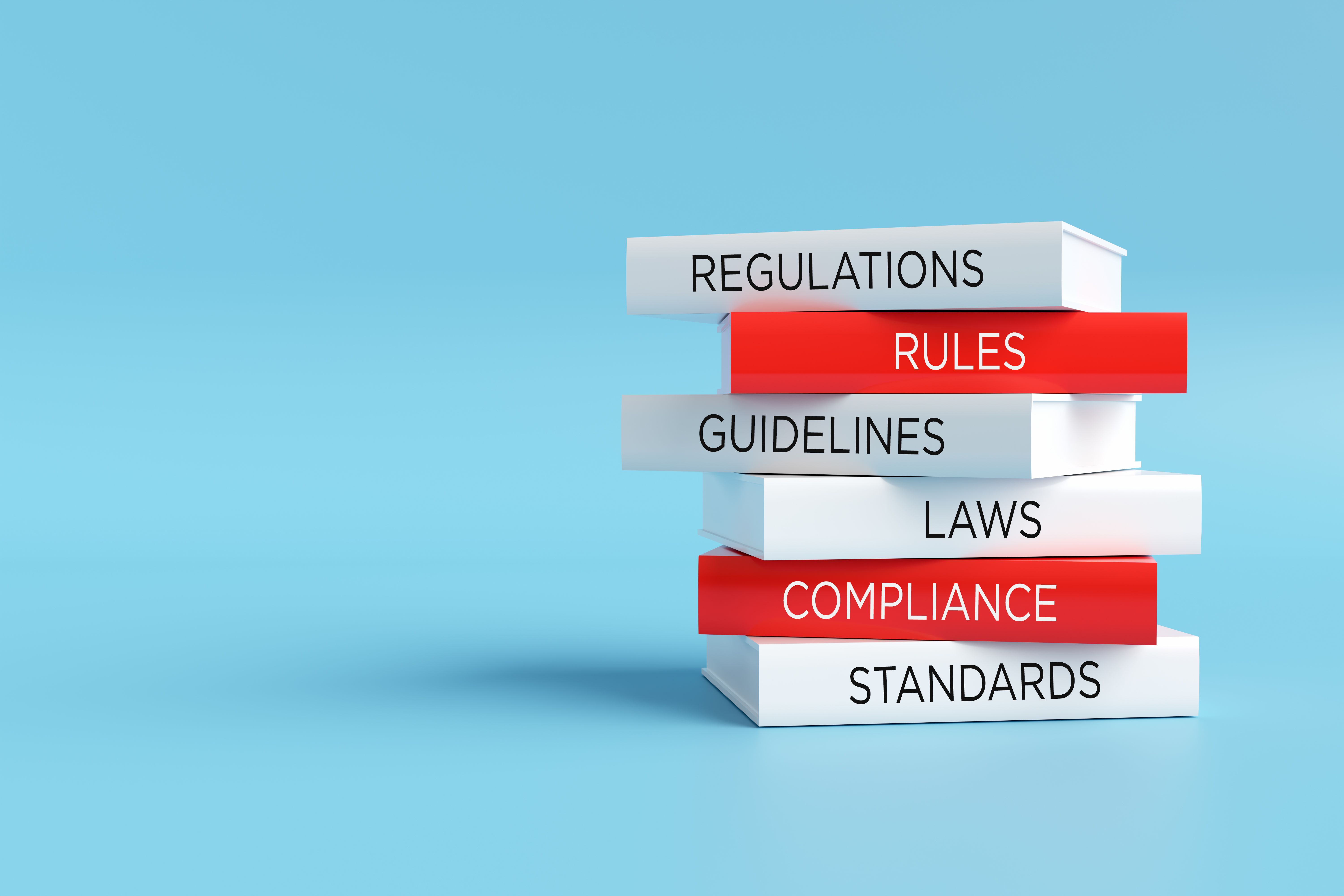
Regulatory compliance is essential for businesses across various sectors. However, many misconceptions can lead to costly mistakes. Understanding these pitfalls is crucial for maintaining a compliant and successful operation.
Misconception 1: Compliance Is Only for Large Corporations
One common myth is that only large corporations need to worry about regulatory compliance. In reality, businesses of all sizes must adhere to relevant regulations. Small to medium-sized enterprises often face the same legal requirements as their larger counterparts. Ignoring these obligations can result in penalties and damage to reputation.
To avoid this misconception, businesses should regularly review industry-specific regulations and ensure that appropriate measures are taken to comply. Consulting with legal experts or compliance officers can provide valuable insights.
Misconception 2: Compliance Is a One-Time Task
Another frequent misunderstanding is that compliance is a one-off task. However, regulations evolve, and businesses must continuously update their practices to remain compliant. Compliance should be viewed as an ongoing process, not a single event.

Regular training and updates are vital to keep everyone informed about changes in regulations. Implementing a compliance management system can help businesses stay on top of these changes effectively.
Misconception 3: Compliance Is Solely a Legal Responsibility
Some believe that regulatory compliance is solely the responsibility of the legal department. In truth, compliance is a company-wide responsibility. Every employee should understand their role in maintaining compliance.
Encourage a culture of compliance by providing training sessions and clear communication about the importance of adhering to regulations. This shared responsibility ensures that compliance becomes integrated into the business's daily operations.

Misconception 4: Compliance Is Too Expensive
Many businesses shy away from compliance efforts due to perceived high costs. However, the cost of non-compliance often far outweighs the investment in compliance measures. Fines, legal fees, and reputational damage can be significantly more expensive.
To manage costs, businesses should prioritize compliance measures that align with their specific needs and risks. Leveraging technology and automation can also streamline compliance processes, reducing both costs and errors.
Misconception 5: Compliance Stifles Innovation
Some argue that regulatory compliance restricts innovation. While regulations do impose certain limitations, they also create a safer and more predictable business environment. Compliance and innovation can coexist when businesses approach them strategically.
By understanding regulations and exploring compliant ways to innovate, companies can achieve both creativity and compliance. Collaborating with regulators during the development phase can also ensure that new products meet all necessary standards.

Conclusion
Understanding and addressing these common misconceptions about regulatory compliance can help businesses avoid unnecessary risks. By viewing compliance as an ongoing, company-wide responsibility, companies can protect themselves from potential pitfalls while fostering growth and innovation.